Mapping a Confident Path Through Memory Care Choices
Planning a move to Memory Care begins with defining what daily life should feel like for your loved one. Assess routines, comfort items, preferred activities, and social rhythms, then compare how communities integrate these into individualized care plans. This first pass frames your nonnegotiables—safety, dignity, and meaningful engagement—so later decisions about location, layout, and staffing can be measured against a clear picture of what “good days” could look like.
Meanwhile, scope the clinical profile carefully. Document current diagnoses, medications, mobility needs, and any behavioral triggers, and ask how staff verify changes over time. A strong program will align care levels with evolving symptoms rather than a one-time intake snapshot. Clarify how assessments are staged, how families are updated, and how care teams refine strategies when sleep, appetite, or mood shifts introduce new patterns.
Beyond that, examine how biography-based care is translated into everyday practice. In practice, personal histories should inform conversation cues, activity selections, and environmental adaptations. Ask how life stories are collected, who curates them, and how they surface during stressful moments. When staff can reference favorite songs, careers, or family traditions, redirection becomes gentler and residents may feel recognized rather than managed.
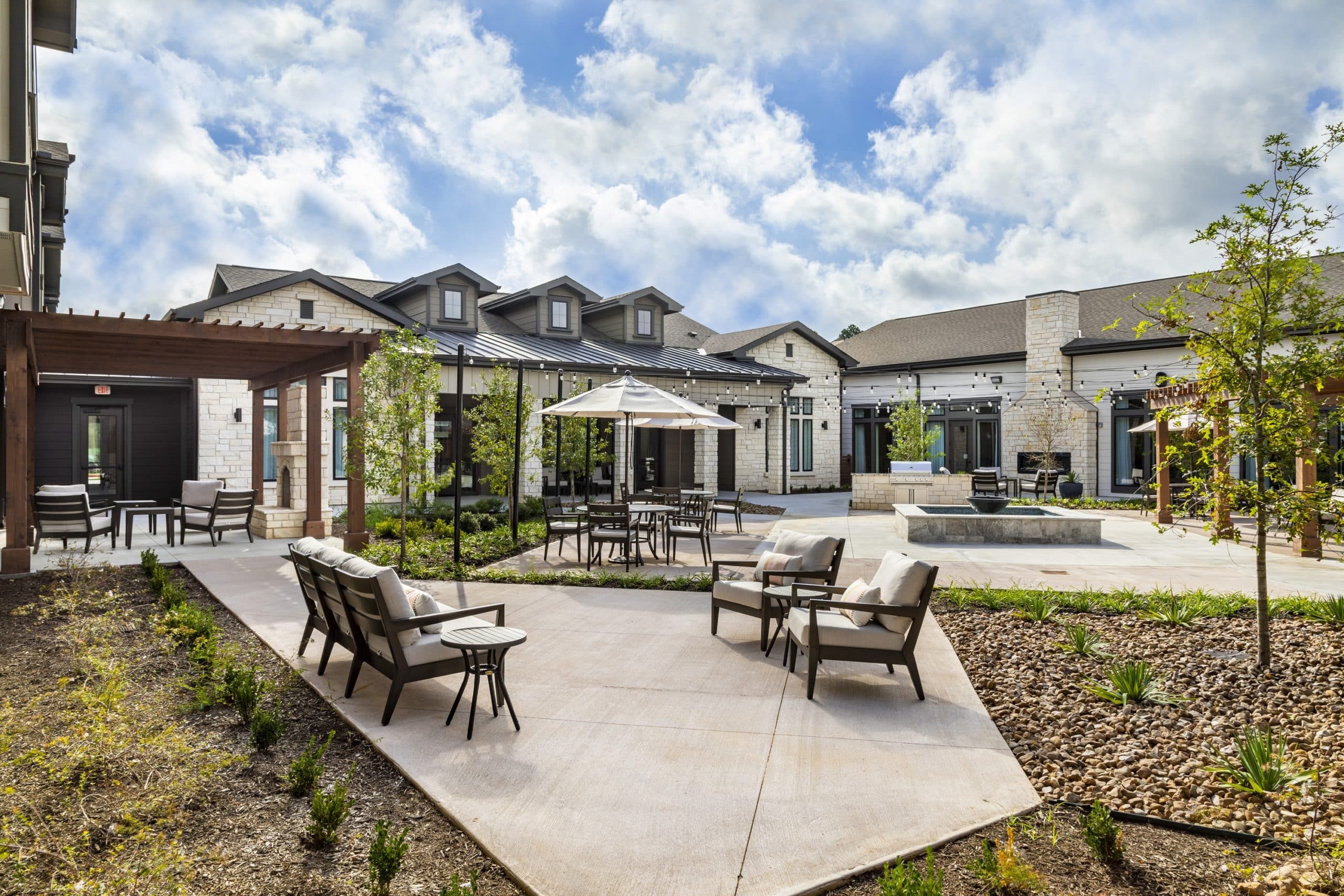
However, environment matters as much as programming. Inspect the physical layout for secure wandering paths, sightlines that reduce confusion, and soft wayfinding features like color cues and familiar landmarks. Validate outdoor access protocols and how doors, courtyards, and common areas balance freedom with safety. Noise, light, and temperature controls should buffer overstimulation while keeping rooms bright enough for reading, crafts, or comfortable visits.
Often, transitions are smoothed by thoughtful staging. Sequence the move with short visits, preferred snacks on hand, and familiar bedding to anchor the first nights. Maintain a small set of cherished items rather than overfilling the space. Then collaborate on a first-week schedule that pairs low-demand activities with trusted staff introductions, easing anxiety while establishing a predictable cadence for meals, therapies, and rest.
Next, scrutinize staffing patterns and handoffs. Verify how shifts overlap, how observations are documented, and how insights flow among nurses, caregivers, and therapists. Calibrate expectations around response times without demanding guarantees. Reliable teams share small details—how someone likes tea, which chair feels safest—that quietly reduce falls, refusals, and agitation. Ask about ongoing training specific to Alzheimer’s and other dementias.
Meanwhile, rehabilitation services can support function and comfort. Discuss how in-house therapists integrate mobility goals, balance work, and pain management into the daily routine. Confirm whether therapy plans are phased, with gentle progression and clear rest windows. When exercises are woven into familiar activities—gardening motions, table-top tasks—residents may participate more readily and sustain gains longer.
Then turn to family engagement and documentation. Request a transparent care conference schedule, shared care plans, and simple communication channels for quick updates. Establish how changes are validated—by observation logs, incident reviews, or physician input—and how families are invited to refine goals. Consistent touchpoints help everyone stay aligned as needs shift, preventing surprises and reducing the emotional whiplash of sudden decisions.
Additionally, budget planning deserves early attention. Map base rates against prospective care levels, ancillary services, supplies, and transportation to avoid underestimating true costs. Ask how rate changes are handled and what notice is provided. Finally, build a contingency buffer for future escalations in care so that financial stress does not drive hurried moves when your loved one most needs stability and familiar faces.
Ultimately, fit is about daily quality, not brochures. Visit at different times, listen for natural conversation, and watch how staff approach moments of confusion. Validate that safety features fade into the background of a warm, secure setting. A thoughtfully designed environment, paired with personalized support and consistent communication, can help your family move forward with confidence and compassion in the complex Memory Care landscape.